Gardening Services in Forest Gate
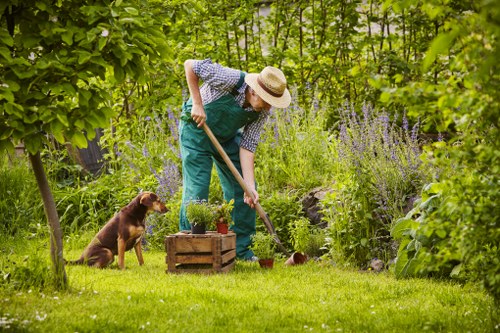
Gardening services in Forest Gate help householders and property managers keep outdoor spaces orderly, healthy and ready for everyday use. We handle practical garden care with a focus on routine upkeep, tidy finishes and work that suits the layout of the site. That can include regular mowing, hedge trimming, border maintenance, clearance and selected landscaping tasks, depending on what the garden needs and what the space allows.
The best results usually come from matching the work to the condition of the garden rather than treating every visit the same. A lawn may need cutting and edging, a hedge may need careful shaping, and a neglected plot may need a more substantial reset before regular maintenance makes sense again. Our aim is straightforward: to leave the space neat, manageable and easier to look after.
If you are planning work in Forest Gate, start with the main outcome you want, then ask for a quotation. A clear brief saves time and helps keep the visit focused on the tasks that matter most.
Routine garden maintenance
Routine garden maintenance is the backbone of a tidy outdoor space. It covers the steady jobs that keep growth under control and stop small issues from turning into larger ones. In many gardens that means grass cutting, edging, weeding, trimming back soft growth, and keeping paths or borders clear enough to use comfortably. The work can be carried out as a one-off tidy-up or as part of an ongoing schedule, depending on how quickly the garden changes through the season.
Maintenance is also about consistency. A lawn that is cut at the right height and at sensible intervals usually looks better and copes more reliably with weather changes. Shrubs and hedges often benefit from timely trimming rather than waiting for them to become overgrown. Where beds are part of the design, attention to borders, dead growth and stray shoots helps the whole garden read as cared for rather than simply cut back. Regular upkeep is usually easier to manage than periodic catch-up work.
Lawn and border care
Lawns and planted borders often need different handling, even when they sit side by side. Grass can be cut and finished cleanly, while borders may need selective weeding, deadheading and light reshaping to preserve the planting structure. Where lawns are uneven, shaded or affected by patchy growth, the approach needs to be careful rather than rushed. That practical distinction matters because a tidy garden is not only about short grass; it is about keeping the whole layout balanced and usable.
Hedge trimming and shaping

Hedge trimming is useful when boundaries are beginning to lose their lines or when shrubs are spreading further than intended. A well-trimmed hedge can improve light, restore definition and make the rest of the garden easier to maintain. The work may involve light seasonal cutting, reduction of soft growth or more careful reshaping where the hedge has become uneven. Different species respond differently, so the timing and method need to suit the plant rather than a fixed rule.
We approach hedge work with attention to both appearance and plant health. Cutting too hard or too often can leave gaps, while leaving a hedge untouched for too long can create bulk that is harder to bring back into shape. The better approach is usually a measured one, especially where the hedge sits beside a lawn, drive or fence line. In practical terms, this service is often about making the boundary neat without losing the character of the planting.
For gardens where hedges frame seating areas, entrances or shared boundaries, the finish needs to feel crisp from both inside and outside the property. Good trimming can improve sightlines, reduce encroachment and make later maintenance less demanding. If you are comparing options, ask for a quotation and explain whether the priority is height reduction, shaping, or simple seasonal tidying.
Garden clearance for overgrown spaces
Garden clearance is the right choice when a space has become cluttered, heavily overgrown or difficult to use. It can involve cutting back brambles, removing unwanted growth, clearing accumulated green waste and opening up access to beds, paths and boundaries. This type of work is often the starting point before a garden can return to a routine maintenance pattern. It is particularly useful where the aim is to reveal what is already present and decide what should be kept, cut back or removed.
Clearance is usually more involved than ordinary tidying because it may require working through layers of growth, identifying what is living and what has died back, and making sensible decisions about what can be recovered. In some gardens, the priority is to regain usable space; in others, it is to prepare the ground for later planting or wider landscaping. Either way, the task benefits from an ordered approach that avoids unnecessary disturbance to plants worth keeping.
When a garden has been neglected for a while, the first visible change is often the return of shape and access. Paths become visible again, borders can be assessed properly and the overall space feels easier to manage. That makes clearance a practical service rather than a cosmetic one, because it creates the conditions for all the other work to follow more effectively.
Landscape gardening and garden improvements

Landscape gardening covers more than tidying; it is about making considered changes to how the space works. That may include reshaping borders, improving access, introducing new planting areas or changing the way lawn, paving and soft growth sit together. Good landscape work is usually built around the existing garden rather than forcing an entirely new idea onto it. The result should feel coherent, with each element serving a clear purpose in the layout.
Smaller improvements can make a garden far easier to enjoy without requiring a full redesign. Adjusting the edge of a bed, defining a section for planting, improving the line of a path or creating a cleaner transition between hard and soft landscaping can all change the way the space feels. More substantial changes may be appropriate where the current arrangement no longer suits the property or the maintenance level the owner wants to keep. In those cases, the emphasis is on practical decisions as much as visual ones.
Landscape gardening is also where different service areas begin to overlap. A new feature may need hedge trimming to keep lines clear, mowing to preserve open areas, or clearance before any shaping can take place. Those decisions work best together when the garden is assessed as a whole rather than one task at a time. If you are considering changes, a well-structured quotation request helps define the scope.
Lawn mowing and tidy finishing
Lawn mowing remains one of the most useful ways to keep a garden looking cared for. A level cut, even edges and a clean finish can transform how the space reads from day to day. The work is not only about cutting grass; it is also about dealing with awkward corners, avoiding missed strips and leaving a result that looks deliberate rather than hurried. When needed, mowing can be combined with edging and general tidying so the lawn sits properly within the rest of the garden.
Different lawns call for different handling. A flat, open lawn can usually be cut efficiently, while a garden with slopes, narrow runs or mixed planting may need more careful movement and a tidier hand around the edges. The height of the cut, the condition of the grass and the time of year all affect the finish. In gardens where the lawn forms the main open area, keeping it trimmed well can have a bigger visual impact than almost any other single job.
- grass cutting and edging
- border tidy-up and light weeding
- removal of clippings and green waste
- basic neatening after heavier growth has been reduced
Tree lopping and removal considerations

Tree lopping and removal are more specialised forms of garden work and need careful handling. Sometimes the need is limited to reducing overextended growth, shaping branches away from nearby structures or easing the weight of a tree that has become too dominant for the space. In other cases, removal is considered because a tree is unhealthy, poorly positioned or obstructing other parts of the garden. The right choice depends on the tree, the site and the outcome you want from the wider garden.
This type of work should be approached conservatively and with proper thought about what remains after the tree has been cut back or removed. A drastic decision can change the feel of the garden as well as the amount of light and space available. Where a tree is part of the structure of the plot, it may be better to prune selectively than to remove it entirely. Where it is no longer suitable, removal can open up room for planting, lawn care or other improvements.
Because tree work can affect fences, sheds, paving and neighbouring areas, it works best when the scope is set out clearly from the beginning. Tell us what the tree is doing, what it is close to and what result you want, then ask for a quotation so the work can be assessed properly.
Planning the right garden work
Choosing the right gardening service is often easier once you separate the garden into priorities. Some spaces need regular attention first, while others need a one-off reset before maintenance becomes useful. A simple list of the main tasks usually helps more than trying to describe the whole garden in broad terms. If the work is maintenance, note what needs cutting, trimming or clearing. If it is improvement work, note what you would like to change and what must stay in place.
Helpful details for a quotation often include access arrangements, the size or type of garden, and whether the job is a tidy-up, a clearance or a more structured project. Photos can help when the area is overgrown or awkward, but they are only one part of the picture. It is also useful to say whether the work should be completed in one visit or staged over time, especially where hedges, lawns and planting areas all need attention. That keeps expectations realistic and keeps the scope clear.
See the full range of gardening services if you want to compare the available options before deciding which task to tackle first.
Pricing factors and quotation requests
Garden work is usually priced according to what is actually involved rather than by a single fixed rule. The main factors are the type of task, the size of the area, how much growth needs to be dealt with and whether the job involves simple maintenance or a more demanding clearance or improvement. Access can also affect the quote if equipment needs to be moved through narrow spaces or around obstacles. That is why a clear description of the work gives a more reliable starting point than a brief request alone.
For many customers, the easiest way to begin is to decide whether the job is mostly about mowing, trimming, clearing or redesigning. From there, the scope can be narrowed down further with practical details. If you are comparing options for planting, reshaping or hard-to-access areas, include those points too so the quotation reflects the real work needed. The goal is not to overcomplicate the process; it is to avoid vague assumptions that can lead to an unsuitable proposal.
To request a quotation, use the contact route on the site and share the main tasks you want completed. If you already know the service you need, that keeps the conversation focused and makes it easier to compare the next step with the rest of your plans.
About Forest Gate
Forest Gate is an area in the London Borough of Newham in east London, centred broadly around Forest Gate station and the streets that developed around it. The district takes its name from a former gate on the boundary of Epping Forest, and its growth was closely linked to railway expansion in the nineteenth century. That history left a strong urban grain of terraced housing, local shopping streets and smaller side roads, with a built form that reflects different phases of suburban development. The area sits between larger destinations such as Stratford and East Ham, but it has its own distinct identity shaped by everyday local trade and residential streets. Wanstead Flats, part of Epping Forest, lies to the north-west and offers one of the most important open landscapes nearby, while smaller green spaces and tree-lined roads break up the dense housing pattern. Forest Gate also forms part of a wider multicultural part of east London, where independent shops, places of worship and community facilities contribute to a busy local character. The architecture varies from Victorian and Edwardian terraces to later infill and estate housing, giving the streets a mixed appearance that still follows the original rail-linked settlement pattern. In practical terms, the area combines close-knit residential streets with access to larger routes and open parkland, which gives it a layered urban feel rather than a single uniform one.
Garden upkeep that suits your property
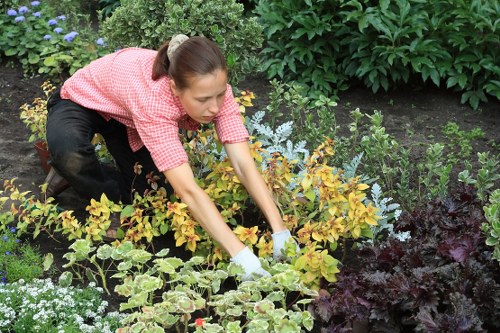
Every garden has a different balance of planting, open space and hard surfaces, so the service needs to fit the property rather than the other way around. Some customers mainly need grass kept under control, while others want overgrowth reduced and the space made usable again. There are also gardens where the main requirement is careful shaping around existing features such as trees, boundaries or paved areas. A thoughtful approach makes those differences manageable and produces a neater final result.
Where work is being planned alongside other property improvements, it can be sensible to think about how the garden should look once the immediate tasks are complete. A trimmed hedge may work better with regular mowing, while a cleared plot may benefit from a basic landscape plan before planting begins. That kind of joined-up thinking is useful because it avoids duplicated effort and helps the space settle into a more maintainable condition. Good garden work should be practical first, with appearance following from that.
For a quotation on gardening services in Forest Gate, send over the key details and the main outcomes you want. If you are ready to get started, the simplest next step is to ask for a quotation today.