Romford Road garden clearance guide Forest Gate: a practical local guide for busy gardens
If you have a garden off Romford Road in Forest Gate, you will know the feeling: one weekend the space looks manageable, and the next it is full of cuttings, broken planters, old timber, ivy, and the odd mystery pile you meant to sort out months ago. This Romford Road garden clearance guide Forest Gate is here to make the job feel less overwhelming and a lot more straightforward.
Whether you are dealing with a small back garden, a shared access space, or a full overgrown clearance, the basics are the same: work out what needs removing, decide what can be reused or recycled, and choose the safest, least stressful way to get it done. That sounds simple. In practice, of course, gardens have a funny way of hiding surprises.
This guide walks you through the process in plain English, from planning and waste handling to local considerations, common mistakes, and the practical signs that it may be time to bring in professional help. You will also find a checklist, a comparison table, and a few real-world pointers that reflect how these jobs tend to unfold in and around Forest Gate.
Table of Contents
- Why Romford Road garden clearance guide Forest Gate Matters
- How Romford Road garden clearance guide Forest Gate Works
- Key Benefits and Practical Advantages
- Who This Is For and When It Makes Sense
- Step-by-Step Guidance
- Expert Tips for Better Results
- Common Mistakes to Avoid
- Tools, Resources and Recommendations
- Law, Compliance, Standards, or Best Practice
- Options, Methods, or Comparison Table
- Case Study or Real-World Example
- Practical Checklist
- Conclusion
- Frequently Asked Questions
Why Romford Road garden clearance guide Forest Gate Matters
Garden clearance is not just about making a space look neat. It is about restoring use, reducing trip hazards, preventing pests from settling in, and creating a garden that you can actually enjoy. In a busy part of East London like Forest Gate, outdoor space often does a lot of jobs at once: storage, relaxation, plant growing, bike parking, and sometimes even bin overflow when nobody wants to admit it. The result is that clutter builds up quickly.
A proper clearance matters for several reasons. First, it gives you back control. Second, it helps you see what is worth keeping and what is simply taking up room. Third, it makes future maintenance far easier. An untamed corner with old branches, damp leaves, and stacked pots can turn into a bigger job than it looks. You know how it goes: one neglected patch becomes two, then suddenly the whole garden feels behind.
There is also a practical side. If a garden has been left for a while, you may find hidden waste, damaged fencing, unstable piles of material, or thorny growth that makes even a short tidy-up awkward. For homes close to Romford Road, where access can be tight and parking can be less than generous, planning ahead matters even more.
If you want to understand the wider service picture before diving in, it helps to look at the range of gardening services available in Forest Gate and the company background and approach so you know what level of support is available.
Expert summary: Good garden clearance is part tidy-up, part sorting exercise, and part waste management. The best results usually come from deciding what should be removed, recycled, reused, or left alone before anyone starts lifting heavy bags. It saves time. It saves backache too.
How Romford Road garden clearance guide Forest Gate Works
At its core, garden clearance is the process of removing unwanted organic and non-organic waste from an outdoor space. That may include leaf litter, branches, weeds, soil spoil, broken fixtures, old pots, damaged sleepers, unwanted furniture, and general green waste. Some jobs are light tidy-ups. Others are full clear-outs after months or years of accumulation.
The process usually starts with a walkthrough. That is where you decide what is staying, what is going, and what needs careful handling. A small pile of pruning waste is one thing. A garden full of bramble, wet soil, and heavy timber is another story entirely. Professional teams will usually assess access, waste volume, disposal needs, and whether anything requires dismantling before removal.
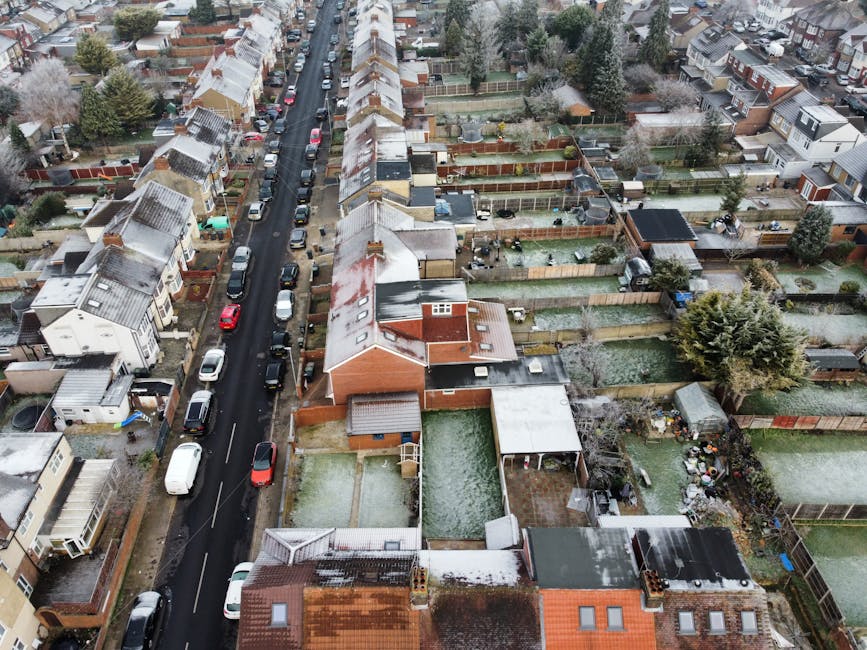
For many gardens near Romford Road, access is a key consideration. Narrow side passages, shared entrances, and rear access via alleyways can all affect how the work is carried out. A practical plan avoids dragging waste through the house where possible, and it keeps disruption to neighbours low. Nobody wants a long trail of muddy footprints through the hallway if it can be helped.
Clearance may be done as a one-off service or as part of a broader tidy-up. Depending on the garden, the job might include hand weeding, cutting back overgrowth, removing old compost, stripping dead plants, or breaking down bulky waste into manageable loads. Some jobs finish with a final sweep and light rake. Others need a little extra shaping before the space feels properly reset.
To get a clearer idea of booking, timing, and what affects the price, you can review the pricing and quotes information. If you are also thinking about greener disposal, the page on recycling and sustainability is worth a look.
Key Benefits and Practical Advantages
Most people start with garden clearance because they want the place to look better. Fair enough. But the real benefits go beyond appearance.
- More usable space: A clear garden is easier to sit in, plant in, or simply walk across without dodging obstacles.
- Better safety: Clearing broken items, loose branches, and hidden debris reduces the risk of trips and cuts.
- Healthier planting conditions: Removing dead growth and smothering weeds gives remaining plants a better chance.
- Less pest attraction: Damp piles of waste and forgotten corners can become inviting spots for pests.
- Easier maintenance: Once a garden is reset, routine care becomes much less of a headache.
- Improved kerb appeal: If you are preparing to sell or rent, a tidy outside space can make a strong first impression.
There is also an emotional benefit that people sometimes underestimate. A messy garden can weigh on you. It sits there, reminding you of a task unfinished. Once it is cleared, the whole place tends to feel lighter. Not dramatic, just calmer. You notice the sound of birds more, and the space stops nagging at you every time you look out the window.
For households with children, older relatives, or pets, a tidy garden can be especially helpful. Fewer hazards. Clearer pathways. Less chance of stepping on something unpleasant. That alone is often enough reason to act.
Who This Is For and When It Makes Sense
This type of garden clearance is useful for a wide range of people in Forest Gate. It is not only for overgrown jungles, although let's be honest, those do happen.
- Homeowners who have fallen behind on garden maintenance and need a reset.
- Landlords and letting agents preparing a property between tenancies.
- Tenants trying to return a garden to a reasonable condition before moving out.
- Families who want a safer, more usable outdoor space for everyday life.
- Older residents who may not want, or be able, to tackle heavy lifting and dense growth.
- Busy professionals whose outdoor space has quietly slipped down the priority list.
It makes sense to book or plan a clearance when you notice a few clear signs: weeds taking over, paths disappearing, bins or old items being stored outdoors, or plants having died back and left a mass of tangled material behind. Another common trigger is before a garden project starts. If you are planning new turf, planting, fencing, or paving, the old clutter has to go first.
Sometimes the decision is about timing rather than urgency. After a wet spell, materials are heavier and messier. In spring, growth can be very enthusiastic, which is lovely until it isn't. In autumn, leaf fall builds up fast and can make a tidy space look neglected almost overnight.
Step-by-Step Guidance
If you are approaching a clearance yourself, or just want to understand what a professional team will do, this practical sequence helps.
- Walk the garden slowly. Look for obvious waste, hidden piles, broken containers, unstable branches, and anything sharp or heavy.
- Separate the keepers from the removals. Move tools, pots, plant labels, ornaments, and anything you want to retain into one safe area.
- Check access routes. Measure gates, note any narrow passages, and think about where waste will leave the property.
- Sort waste by type. Green waste, wood, metal, plastics, rubble, and general household items should not all be treated the same way.
- Cut back before lifting. Long brambles, thick stems, and tangled growth are easier to remove once cut down into sections.
- Load safely and progressively. Heavy material should be moved in sensible batches rather than crammed into bags that are awkward to carry.
- Clear debris from edges and corners. The hidden stuff is often what makes a garden still feel messy after the main clearance.
- Finish with a sweep and visual check. Stand back. If the space still feels cluttered, it probably needs one more pass.
A useful rule of thumb: if you would not want to trip over it in low light, it needs attention. That sounds obvious, but in real gardens the obvious bit is often what gets missed.
If you are arranging a service, the most practical next step is usually to confirm exactly what is included and what happens with payment, deposits, and handling of personal data. The pages on payment and security and privacy can help set expectations. If you need direct help, use the contact page to ask specific questions before booking.
Expert Tips for Better Results
A good clearance is not just about speed. It is about doing the job in a way that leaves the garden easier to manage afterward.
Start with the biggest obstruction first
It is tempting to begin with the neat bits. Don't. Take out the bulky material first because it changes the whole shape of the space. Once the large items are gone, you can see what remains. That is when the real job starts to make sense.
Keep wet waste separate where possible
Wet grass, soaked leaves, and sodden soil are much heavier than they look. Keeping this material separate can make handling easier and reduce the chance of bags splitting mid-carry. Not fun. Nobody enjoys mopping a garden path at 7pm in drizzle.
Leave healthy plants alone unless they are in the way
Sometimes a garden looks rough but still contains good structure. Mature shrubs, climbers, or self-seeded plants may be worth keeping if they can be shaped rather than removed. A careful clearance does not always mean stripping everything back to bare earth.
Think about what happens next
If you plan to replant, resurface, or add beds later, the clearance should support that future step. Removing roots, old edging, and dead timber now is far easier than discovering them after new work begins.
Use the weather to your advantage
Dry days make sorting cleaner and less tiring. Damp weather can make material heavier and pathways slick. A little timing can save a lot of awkwardness. Truth be told, the garden will not always cooperate, but when it does, take the win.
For bigger or more complex jobs, it also helps to understand how the team handles waste movement and environmental responsibility. The recycling and sustainability information is a sensible place to start.
Common Mistakes to Avoid
Garden clearance can go wrong in fairly ordinary ways. The good news? Most of them are avoidable.
- Underestimating the volume: A few piles of cuttings can become far more material once compressed and bagged.
- Ignoring hidden waste: Old pots, broken hosepipes, wire, and scrap timber often sit under the obvious mess.
- Mixing heavy and light material: This makes bags awkward and can lead to tears or injury.
- Forgetting access limits: If waste cannot get out easily, the whole job slows down.
- Removing too much too quickly: In some gardens, over-clearing leaves bare patches that need follow-up work anyway.
- Leaving roots or stumps behind: These can regrow, shift, or interfere with future plans.
- Skipping disposal planning: You need a clear route for responsible removal, not just a pile on the pavement.
One quiet mistake people make is assuming all garden waste is the same. It is not. Soft green waste, soil, hard landscaping debris, and mixed rubbish are handled differently in practice. If you mix everything together, you usually create more work and more cost. Simple as that.
Another one? Doing the job once, then never thinking about maintenance again. A cleared garden still needs light attention or the clutter creeps back. Sneaky, but predictable.
Tools, Resources and Recommendations
For smaller clearances, the right hand tools make a big difference. For larger or denser jobs, technique and planning matter just as much.
| Tool or resource | Best use | Why it helps |
|---|---|---|
| Gloves | Protecting hands during lifting and pruning | Reduces cuts, stings, and splinters |
| Secateurs or loppers | Cutting back brambles, stems, and smaller branches | Makes growth easier to bundle and remove |
| Rake and broom | Collecting loose debris and finishing the space | Leaves the garden genuinely tidy, not just "mostly done" |
| Heavy-duty bags or tubs | Moving mixed waste safely | Helps prevent splits and makes loading cleaner |
| Wheelbarrow | Transporting heavier material over short distances | Saves effort and reduces strain |
| Professional clearance support | Large, overgrown, or awkward gardens | Useful when access, weight, or disposal becomes complicated |
If you are deciding whether to do it yourself or ask for help, consider not just the tools but the time and mess involved. A small patio with a few bags of waste is one thing. A densely packed garden with hidden debris and narrow access is another. The difference is bigger than people expect.
For a broader view of service types and support options, the services overview is a useful reference point. If you are still comparing options, the quote and pricing details can help you understand what to ask for.
Law, Compliance, Standards, or Best Practice
Garden clearance is practical work, but it still sits within a framework of sensible UK best practice. You do not need to become a legal expert to have a garden cleared properly, yet a few principles matter.
Waste should be handled responsibly. If material is being removed from the property, it should be taken to an appropriate facility or transferred through a legitimate waste route. Mixing rubbish indiscriminately or leaving it in a way that creates nuisance is poor practice and may create avoidable problems.
Safety should come first. Overgrown gardens can hide glass, wire, uneven ground, or unstable stacks of material. Good practice means assessing the site before work begins and using protective equipment where needed. If a job involves sharp objects, heavy lifting, or difficult access, extra caution is wise.
Access and neighbour consideration matter. On streets like Romford Road, where homes may be closely arranged, keeping pathways clear and noise reasonable is part of professional courtesy. It sounds basic, but it makes a real difference to how smoothly the job goes.
Insurance and terms should be clear. Before booking any service, it is sensible to understand how a provider handles liability, customer expectations, and payments. That is why pages such as insurance and safety, terms and conditions, and health and safety policy are worth reviewing.
For customers who care about disposal ethics, recycling and re-use should not be afterthoughts. A clear, careful clearance can reduce avoidable waste and keep more material in the right stream. That is just sensible, really.
Options, Methods, or Comparison Table
There is more than one way to handle a garden clearance in Forest Gate. The best option depends on the size of the job, how quickly you need it done, and how much physical effort you want to take on yourself.
| Method | Best for | Main advantage | Main drawback |
|---|---|---|---|
| DIY clear-up | Small, light jobs with easy access | Lower direct cost | Time-consuming, physically tiring, disposal can be awkward |
| Partial clearance | Gardens needing a focused reset | Balances cost and effort | May still leave some heavier tasks unfinished |
| Full professional clearance | Overgrown, cluttered, or access-challenged gardens | Fast, thorough, and usually less stressful | Higher upfront cost than doing it yourself |
| Clearance plus ongoing maintenance | Gardens that need a reset and then regular care | Prevents rapid regrowth and repeat clutter | Needs scheduling and a longer-term view |
In plain terms, DIY works best when you have time, tools, and a garden that is not too far gone. Professional help becomes more sensible when the work is heavier, more awkward, or time-sensitive. If you are juggling work, family, and a garden that has become a bit of a jungle, that decision usually makes itself.
Case Study or Real-World Example
Here is a realistic example based on the kind of work often seen around Forest Gate. A small terraced property near Romford Road had a back garden that had been left for two seasons. The space was not huge, but it had become difficult to use because of waist-high weeds, old broken pots, a few collapsed canes, and a strip of tangled bramble along the rear fence.
The first issue was access. The side return was narrow, so carrying waste out in one go would have been clumsy. The second issue was hidden material. Under the visible growth, there were bits of timber, a cracked planter, and a layer of wet leaves that made the ground feel slippery. Nothing dramatic. Just enough to turn a simple tidy-up into a half-day of careful work.
The job was tackled by clearing the bulky growth first, then sorting green waste from the harder items. Once the main mass was gone, the garden suddenly looked twice as large. That is always a nice moment. A bit like opening the curtains after a grey morning and realising, oh, there is the sky after all.
What mattered most was not just the speed of removal but the finish. Edges were swept, the path was cleared, and the fence line was left visible again. The garden did not need to be perfect. It needed to be usable. That is often the real goal, and it is easy to overlook when people focus only on "getting rid of the mess."
Practical Checklist
Use this checklist before starting a clearance or requesting a quote. It keeps the process sharper and avoids silly surprises.
- Walk the garden and note all obvious waste.
- Check for hidden items under growth or leaves.
- Decide what you want to keep, recycle, or remove.
- Measure access points, gates, and narrow side passages.
- Look for anything sharp, heavy, damp, or unstable.
- Think about whether waste can be separated by type.
- Ask how disposal and recycling will be handled.
- Confirm pricing, timing, and any special access needs.
- Move valuables, pets, and fragile items out of the way.
- Plan the next step after clearance, such as planting or maintenance.
Quick takeaway: the better the prep, the smoother the clearance. Even ten minutes of sorting before the work begins can save a surprising amount of time later.
Get a free quote today and see how much you can save.
Conclusion
A garden clearance on or near Romford Road in Forest Gate does not have to be a huge project, but it does benefit from a clear plan. Once you know what needs removing, what can stay, and how the waste will be handled, the job becomes much more manageable. That is the real value of approaching it properly: less stress, better results, and a space that feels like yours again.
If you are weighing up cost, access, safety, or recycling considerations, take the time to compare your options carefully. A good clearance is not only about speed. It is about doing the job neatly, responsibly, and in a way that leaves the garden easier to care for next time.
And once it is done, there is usually a very nice moment when you step back, put the tools down, and realise the garden has room to breathe again. Simple, but satisfying.
Frequently Asked Questions
What does a garden clearance usually include in Forest Gate?
It usually includes removal of green waste, weeds, cuttings, brambles, broken pots, old timber, and general garden clutter. Some jobs also include light reshaping, sweeping, and separating recyclable material from mixed waste.
How long does a Romford Road garden clearance usually take?
It depends on the size of the garden, the amount of waste, and access. A small tidy-up may be fairly quick, while an overgrown or cluttered space can take much longer. Access issues often add more time than people expect.
Do I need to sort the waste before booking a clearance?
No, not usually. But it helps to separate anything you want to keep and flag any special items such as rubble, metal, or bulky waste. A little sorting makes the whole process smoother.
Can garden clearance help if my garden is badly overgrown?
Yes. Overgrown gardens are one of the most common reasons people book a clearance. Dense weeds, brambles, and old growth can be brought back under control, although the exact approach depends on the condition of the space.
Is recycling included in garden clearance?
It should be considered as part of the process where possible. Green waste and suitable materials can often be handled more responsibly than mixed rubbish. If recycling is important to you, ask how the waste will be sorted and managed.
What should I do before the clearance team arrives?
Move away valuables, unlock access points, identify anything to keep, and make sure pets are secure. If you have narrow access or shared entry routes, it helps to mention that beforehand.
How do I know if I need full clearance or just a tidy-up?
If the garden mainly needs cutbacks, weed removal, and a general reset, a tidy-up may be enough. If there is a lot of accumulated waste, hidden debris, or difficult access, a full clearance is usually the better call.
Are there any safety concerns with DIY garden clearance?
Yes. Common issues include sharp objects, unstable piles, heavy lifting, slippery surfaces, and hidden debris. Protective gloves, sensible footwear, and a careful approach are important. Some jobs are simply better left to professionals.
How can I get an accurate quote?
Give a clear description of the garden size, access, amount of waste, and any awkward items that need removal. Photos can help if they are requested. The more accurate the information, the better the quote tends to be.
What if my garden has restricted access from the back?
That is very common in London properties. Restricted access does not usually stop the work, but it can affect the method, the time needed, and the quote. Mention it early so the plan can be adjusted properly.
Is garden clearance suitable before selling a property?
Absolutely. A tidy garden can improve first impressions and make the outdoor space feel larger and more usable. It is one of those small changes that can make a property feel much more cared for.
Who should I contact if I want to discuss the job first?
You can use the contact page to explain the garden condition, access, and timing. If you want more background on the company and service standards, the about us page and related policy pages are useful too.