Sebert Road garden maintenance tips from local gardeners
If you live on or around Sebert Road, you already know the gardens can tell their own story: a narrow front patch that needs calm shaping, a back garden that turns wild after one wet week, or a shared outdoor space that has to look neat without becoming a second job. These Sebert Road garden maintenance tips from local gardeners are built around that real-life rhythm. Not showroom-perfect gardening. Just sensible, local, keep-it-manageable advice that helps your garden stay healthy, tidy, and usable all year.
Truth be told, most people do not need a grand redesign. They need a routine that works with the weather, the soil, the space, and the time they actually have. That is what we are looking at here: what local gardeners tend to do, why it matters, and how to keep on top of the little jobs before they become big ones.
For broader support, some homeowners also combine regular upkeep with professional garden maintenance or a one-off tidy-up through garden clearance when things have got away from them a bit. No shame in that. Happens more often than people admit.
Table of Contents
- Why local garden maintenance advice matters on Sebert Road
- How the maintenance routine works in practice
- Key benefits and practical advantages
- Who this is for and when it makes sense
- Step-by-step guidance for a better garden
- Expert tips from gardeners who do this every week
- Common mistakes to avoid
- Tools, resources and recommendations
- Law, compliance and best practice
- Options, methods and comparison table
- Case study or real-world example
- Practical checklist
- Conclusion
- Frequently asked questions
Why Sebert Road garden maintenance tips from local gardeners Matters
Local gardening advice matters because gardens do not behave the same everywhere. On one street, a border may dry out fast; on another, shade and overhanging trees create damp, mossy corners. Sebert Road gardens are likely to share some of the same practical challenges you see across many London residential streets: limited space, changing light, compacted soil, patchy lawn areas, and a steady build-up of leaves, weeds, and pruning jobs.
A local gardener tends to notice the details that generic advice misses. For example, if a front garden gets foot traffic from bins, bikes, or frequent visitors, the surface treatment and planting choices need to be tougher. If a back garden sits close to fences and neighbouring trees, then regular hedge trimming and root competition become part of the routine. Small things, but they add up.
There is also a visual side to it. A well-kept garden changes the whole feel of a property. You notice it first thing in the morning, or on a damp evening when the path looks clear and the beds are edged properly. That calm, cared-for look is not accidental. It comes from repeatable maintenance habits, not just one big annual clean-up.
And let's be fair: a neglected garden quickly becomes less inviting to use. Seats stay damp. Paths get slippery. Weeds settle in, then spread. By the time the foxgloves are hiding behind brambles, the job feels bigger than it really is.
How Sebert Road garden maintenance tips from local gardeners Works
The basic approach is simple enough. Start with regular observation, then handle the highest-impact tasks first. A local gardener usually works in layers:
- Look for what is changing: weeds, weak grass, overgrown edges, blocked drainage, or plant stress.
- Tidy the obvious problems first: cut back growth, clear debris, remove dead material.
- Improve the conditions: feed the soil, aerate where needed, refresh mulch, and water properly.
- Maintain the result with smaller, more frequent visits rather than waiting until everything is overgrown again.
That rhythm works well because maintenance is usually about prevention. A lawn that gets cut a little and often will generally look better than one hacked back once every six weeks. Hedging is the same. Borders stay more balanced if you keep on top of the edges, not just the centre. It sounds obvious, but people forget. We all do.
In practical terms, the work often breaks down into seasonal cycles: spring tidy-up, summer watering and mowing, autumn leaf clearance, and winter pruning or protection. The exact timing depends on weather more than the calendar, so you do need to look outside and use a bit of judgement. A cold spell in April can change everything.
If you want a fuller service that covers lawn care as part of the routine, it can help to read up on a dedicated lawn mowing service or broader landscape gardening support when the garden needs more than basic upkeep.
Key Benefits and Practical Advantages
A good garden maintenance routine gives you more than a tidy look. It creates a garden that is easier to live with.
- Less catch-up work: Regular care prevents the usual backlog of weeds, long grass, and tangled growth.
- Healthier plants: Pruning, feeding, and sensible watering support stronger growth.
- Better safety: Clear paths, trimmed edges, and managed overgrowth reduce trip hazards and slippery spots.
- More usable space: You can actually sit out, entertain, or let children play without wrestling the jungle first.
- Improved kerb appeal: A neat front garden gives a property a more cared-for feel. Simple, but effective.
- Lower long-term cost: Ongoing maintenance often costs less than allowing a garden to decline and then correcting everything at once.
There is also a mental benefit people underestimate. When the garden looks sorted, the house often feels lighter too. You may not notice it in the moment, but you notice when you step outside with a cup of tea and do not have to avoid three half-dead pots and a patch of nettles.
Expert summary: The best Sebert Road garden maintenance plan is usually not the fanciest one. It is the one you can repeat. Small, regular jobs beat heroic weekend marathons almost every time.
Who This Is For and When It Makes Sense
This guidance is useful if you are a homeowner, landlord, tenant with garden responsibilities, or someone managing a shared outdoor space. It is especially relevant if the garden has become a bit patchy, or if you keep thinking, "I'll sort that next weekend" and next weekend keeps vanishing.
It also makes sense if you have:
- a small front garden that needs neat presentation
- a back garden with hedges, beds, and a lawn that grows faster than expected after rain
- a garden that has been neglected for a season or two
- a busy household where no one has time for weekly upkeep
- a property you want to keep tidy without committing to full redesign work
For some people, the best route is a one-off reset followed by regular visits. For others, it is a seasonal check-in and a few DIY jobs in between. If the space includes hard landscaping, new borders, or changing levels, then a more joined-up plan from landscaping may be worth considering.
Local gardeners often say the same thing: once the first round of maintenance is done, the rest gets much easier. That first round can feel awkward. A bit like sorting a shed you have avoided for years. But after that, the garden starts to cooperate.
Step-by-Step Guidance
Here is a practical way to approach Sebert Road garden maintenance without overcomplicating it.
1. Start with a proper walk-through
Walk the whole garden before touching anything. Look at the edges, borders, lawn, paving, drainage points, fences, and any plants that seem tired or overcrowded. Notice where water gathers after rain and where weeds keep returning. This quick scan will tell you what matters most.
2. Clear the obvious clutter
Remove broken pots, fallen branches, spent annuals, old plant ties, and leaf build-up. You are creating breathing room. Once the surface mess is gone, the real shape of the garden becomes visible again.
3. Tackle weeds before they spread
Weeds are easiest to remove when they are small and the soil is slightly moist. Pull them by the root where possible. If the same spots keep producing weeds, the issue may be thin ground cover, compacted soil, or gaps in planting. The weed is often a symptom, not the whole problem.
4. Mow, edge, and shape the lawn
If you have grass, keep the cut consistent. Don't scalp it. Shorter is not always better, especially in dry spells. Clean edging around paths and beds can make the whole garden look tidier instantly. A lot of people underestimate the power of a straight edge. It sounds minor, but visually it does heavy lifting.
5. Prune with purpose
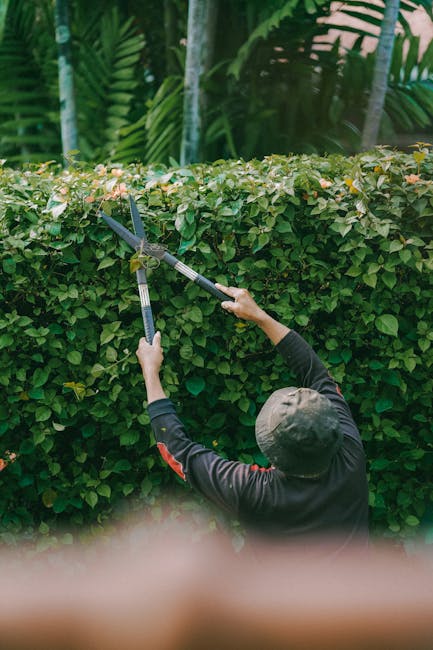
Remove dead, damaged, or crossing stems first. Then reduce anything that blocks light or crowding airflow. If a shrub has become overgrown, a light and steady reduction is usually safer than a dramatic chop. For bigger hedges or awkward boundary growth, hedge trimming can save time and prevent uneven regrowth.
6. Feed and refresh the soil
Healthy gardens start below the surface. Add compost, mulch, or a suitable feed where needed. This helps moisture retention and supports plant recovery after pruning or stress. If soil feels hard and lifeless, it may need more than a cosmetic tidy.
7. Water sensibly
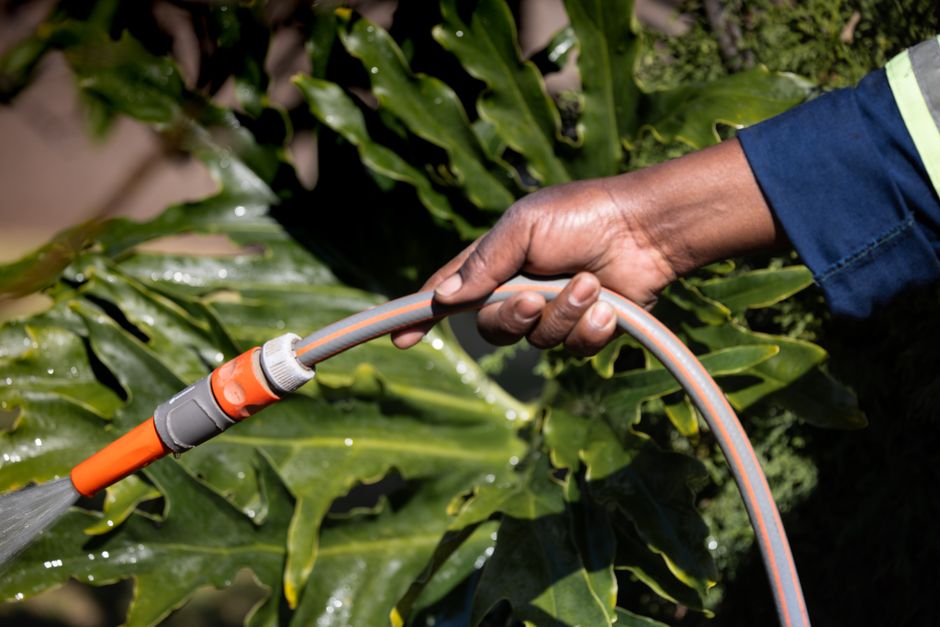
Water deeply rather than giving tiny daily splashes that barely reach the roots. Early morning is usually the best time, since water has time to soak in before heat and wind take over. In warm weather, containers may need extra attention. You will notice them sulking fast if ignored for even a couple of days.
8. Finish with a maintenance sweep
Rake away debris, sweep paths, check gates and fences, and review what still needs attention. The point is to leave the garden easier to manage next time, not just prettier for one afternoon.
Expert Tips for Better Results
Local gardeners tend to favour practical habits that save effort over time. These are the ones that come up again and again.
- Do a little often. Ten minutes twice a week can beat two exhausted hours on a Sunday.
- Work in dry weather where possible. Wet weeds, soggy lawns, and muddy paths make every job harder.
- Watch the corners. The edges of a garden are where neglect starts: behind bins, beside fences, under shrubs, near sheds.
- Mulch bare soil. It keeps moisture in and reduces weed pressure, especially in beds that dry out quickly.
- Do not over-prune. If a plant is stressed, a heavy cut can make things worse rather than better.
- Use the right tool for the right job. A dull pair of shears is a false economy. So is trying to do everything with one battered spade. We've all been there.
Another useful habit is timing. For example, if you know the front garden always looks messy before visitors arrive, schedule a light tidy the day before rather than leaving it to chance. Small timing choices make a garden feel under control.
If you are planning a broader refresh, you might also look at a dedicated services overview to match the type of work to the condition of the garden. Sometimes the issue is not just maintenance, but structure.
Common Mistakes to Avoid
Even sensible gardeners slip into a few habits that cause extra work later. Here are the ones most worth avoiding.
- Letting one skipped month become three. Gardens forgive the odd delay. They do not forgive abandonment.
- Cutting everything back too hard. A harsh prune can leave plants exposed and slow to recover.
- Ignoring soil condition. If the soil is compacted or exhausted, plants will keep struggling no matter how neat the top looks.
- Using water inefficiently. Shallow watering encourages shallow roots. That means weaker plants when the weather turns dry.
- Forgetting access routes. A tidy border means little if the path is blocked or slippery.
- Assuming all green growth is good growth. Some growth is just the garden getting crowded.
One of the sneakiest mistakes is chasing perfection. A garden does not need to look immaculate every day. It needs to be healthy, safe, and manageable. That is the standard worth aiming for.
Tools, Resources and Recommendations
You do not need a shed full of expensive kit to maintain a decent garden. A modest, well-chosen set of tools goes a long way.
| Tool or resource | What it helps with | Why it is useful |
|---|---|---|
| Secateurs | Small stems, deadheading, light pruning | Clean cuts reduce plant stress and make detail work easier |
| Hedge trimmers or shears | Hedge shaping and boundary tidying | Keeps lines neat and reduces the time spent on larger shrubs |
| Rake | Leaf clearance and surface debris | Simple, but still one of the most useful tools in autumn |
| Spade or border fork | Soil turning, lifting, edging | Useful for renewing beds and breaking compacted ground |
| Wheelbarrow or garden bags | Waste movement and clearance | Makes repeated trips easier, especially during bigger tidy-ups |
| Mulch or compost | Soil conditioning and moisture retention | Supports plant health and reduces weed pressure |
For bigger jobs, professional support can be helpful when time is short or the garden has become overgrown. A lot of local homeowners prefer to combine regular DIY care with occasional professional visits for heavier work. If you are dealing with piles of cuttings or major reset work, a specialist garden clearance service can take the pressure off.
If sustainability matters to you, it is worth thinking about waste handling too. Composting suitable green waste, reducing unnecessary plastic, and reusing healthy cuttings where appropriate can make the routine feel less wasteful. A careful approach to recycling and sustainability fits nicely with long-term garden care.
Law, Compliance, Standards, or Best Practice
For ordinary domestic garden maintenance, there is usually no complicated legal process involved. Even so, there are sensible standards and expectations to keep in mind.
Health and safety matters if you are using ladders, power tools, or handling heavy waste. Safe working practices are basic good sense: stable footing, protective gear where needed, and no rushing on wet, uneven ground. If you are hiring help, it is reasonable to ask whether the work is carried out with appropriate safety measures and insurance in place. A reputable company should be able to explain this clearly.
Boundary and neighbour considerations matter too. Hedges, overhanging branches, and shared fences can become awkward if they are ignored for too long. It is usually better to deal with them calmly and early, rather than waiting for complaints. A quick conversation often solves more than people expect.
Waste disposal should be handled properly. Garden waste should not be dumped where it could cause nuisance or obstruction. If a contractor is involved, ask how green waste is managed. That is normal due diligence, not being fussy.
You can also look for basic professional standards in communication: clear scope of work, sensible scheduling, transparent pricing, and a straightforward complaints process if something does go wrong. That is just decent service, really.
For company policies and operational details, some readers prefer to check pages like health and safety policy, insurance and safety, and payment and security before booking. It helps build confidence, and rightly so.
Options, Methods, and Comparison Table
Not every garden needs the same level of support. The right option depends on time, budget, and how much the space has slipped.
| Approach | Best for | Pros | Trade-off |
|---|---|---|---|
| DIY weekly upkeep | Small, manageable gardens | Low cost, flexible, hands-on control | Relies on your time and consistency |
| Seasonal tidy-up | Gardens that mostly stay under control | Good for spring/autumn reset jobs | Can still drift between visits if ignored |
| Regular professional maintenance | Busy households or larger gardens | Reliable, consistent presentation | Ongoing cost |
| One-off clearance plus routine care | Overgrown or neglected gardens | Fast reset, easier to maintain afterwards | Needs a clear plan to avoid re-overgrowth |
If the garden has mixed needs, a combined approach often works best. For example, you might handle light weeding and watering yourself, then book help for pruning, hedge shaping, or lawn recovery. Not everything has to be outsourced. Not everything should be.
And if the garden has become more of a blank slate, a thoughtful redesign may make ongoing care easier. In those cases, landscape gardening can help create a layout that is cleaner to maintain from the start.
Case Study or Real-World Example
Picture a typical small back garden on a residential street like Sebert Road: a modest lawn, a few shrubs, some paving, and borders that looked neat in spring but got swallowed by summer growth. Nothing dramatic. Just the usual slow drift.
The first visit focused on clearing debris, reducing overgrown edges, and checking the lawn for patchy areas and compaction. The hedge along the back boundary was lightly trimmed rather than cut hard, because it was already thin in places. The borders were weeded, then mulched to hold moisture and slow the weed return. A couple of plants that had outgrown their spot were moved rather than removed. Small choices like that matter.
Two weeks later, the garden still looked tidy without feeling stripped back. The owner could keep it going with short weekly jobs: mowing, deadheading, a quick sweep, and one watering session during dry spells. That is the real win. Not a one-day miracle, but a garden that stops fighting you every step of the way.
It's a common pattern, honestly. Once the structure is back under control, people usually realise the space was better than they thought. It just needed a proper reset and a steadier rhythm.
Practical Checklist
Use this checklist to keep your Sebert Road garden on track through the seasons.
- Walk the garden and spot the main problem areas
- Clear leaves, sticks, old pots, and general clutter
- Remove weeds before they seed or spread
- Mow the lawn regularly and keep edges tidy
- Trim hedges and shrubs lightly, not brutally
- Check for drainage issues after rain
- Water deeply when conditions are dry
- Feed or mulch beds where soil looks tired
- Inspect paths, steps, and borders for trip hazards
- Dispose of green waste properly or arrange collection
- Book professional help if the garden is too much to catch up on alone
Quick takeaway: regular, modest maintenance is usually better than sporadic heavy work. Keep the routine realistic, and the garden will repay you for it.
Conclusion
The best Sebert Road garden maintenance tips from local gardeners come down to a simple idea: keep the garden under gentle, regular control, and it will stay easier to enjoy. You do not need to do everything at once. You just need a routine that respects the garden's actual needs and your actual schedule.
Start with the visible wins. Clear the clutter. Trim the worst growth. Improve the soil. Keep the lawn and edges tidy. After that, the rest feels far less daunting. And if the garden needs a bigger reset, that is fine too. A one-off intervention can make the next season much smoother.
If you are weighing up professional help, compare the scope of work, ask clear questions, and choose a service that feels practical, honest, and well organised. A good garden is not just something you look at. It is something that quietly makes life feel easier.
Get a free quote today and see how much you can save.
Frequently Asked Questions
How often should I maintain a garden on Sebert Road?
For most gardens, a light weekly or fortnightly routine works well, with extra attention during spring and summer. The exact timing depends on growth rate, weather, and how much use the garden gets.
What are the most important garden maintenance tasks?
The main jobs are mowing, weeding, pruning, edging, watering, and clearing debris. If you only have limited time, focus first on weeds, lawn care, and overgrown boundaries.
Can I keep my garden tidy without hiring a gardener?
Yes, if the garden is small and you can stay consistent. The trick is to do a little often. If the space gets away from you, professional support can help reset it.
What is the best time of year for garden maintenance?
There is no single best season, because different jobs suit different times. Spring is good for tidying and growth planning, summer for mowing and watering, and autumn for clearing leaves and preparing for colder weather.
Is hedge trimming necessary every year?
For many hedges, yes, or at least close to it. Regular trimming helps maintain shape, control spread, and keep boundaries neat. Some hedges need more frequent attention than others.
What should I do if my garden is badly overgrown?
Start with a clear-up rather than trying to fix everything in one go. Remove waste, cut back the worst growth, and decide whether you need a one-off clearance before routine maintenance can begin.
How do I know if the lawn needs more than mowing?
If the grass is patchy, compacted, mossy, or thin, mowing alone will not solve it. The lawn may need aeration, feeding, overseeding, or a longer-term recovery plan.
Do local gardeners handle waste removal?
Many do, but not all in the same way. It is sensible to ask how clippings, branches, and green waste will be handled before the work starts.
What tools do I really need for basic garden maintenance?
At minimum, a good pair of secateurs, a rake, gloves, a spade or border fork, and something to move waste. For lawns and hedges, you may also need a mower and hedge trimmers.
How can I make maintenance easier long term?
Choose plants that suit the space, keep borders mulched, avoid overcrowding, and create simple access for mowing and pruning. A well-planned garden is much easier to maintain than a crowded one.
Are there any safety issues I should think about?
Yes. Slippery surfaces, uneven ground, ladders, sharp tools, and power equipment all need care. If work feels awkward or risky, it is better to slow down or get help.
When should I ask for professional garden help instead of doing it myself?
If the garden has become too large, too overgrown, or too time-consuming to manage properly, professional help makes sense. It can save time, reduce stress, and help you get back to a manageable baseline.
Sometimes the nicest garden is not the fanciest one. It is the one that feels calm, lived-in, and easy to look after. That's the real goal, and it's absolutely within reach.